The six pillars of lifestyle medicine
Six places where the evidence is clear.
Not a lifestyle. Not a vibe. Six clinical pillars with decades of research behind them—and a thousand small ways to fit them into a real week.
Nutrition
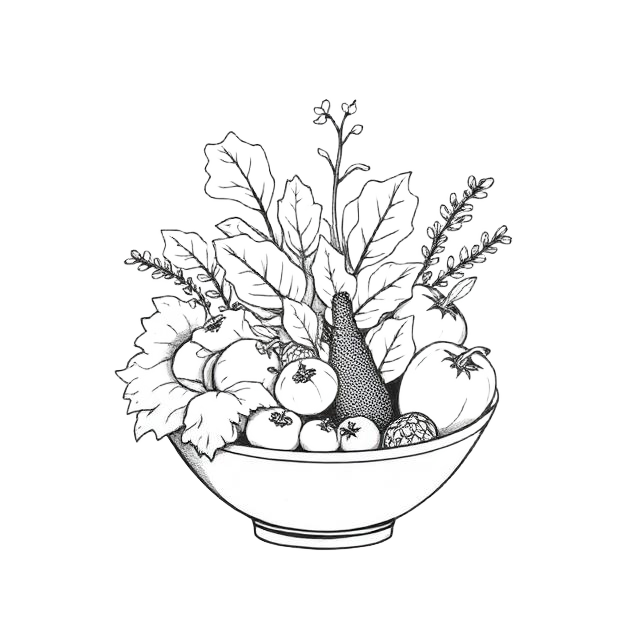
01Mostly plants.
A whole-food, predominantly plant-based pattern—nutrient dense, rich in fibre, full of minimally processed vegetables, fruit, whole grains, legumes, nuts, and seeds—is one of the most studied tools in preventing and treating chronic disease.
Movement
02A body that gets used.
Regular, consistent physical activity counteracts the long, quiet harm of sitting. A weekly rhythm of general movement and purposeful exercise builds mental health, physical health, and resiliency you can feel.
Stress
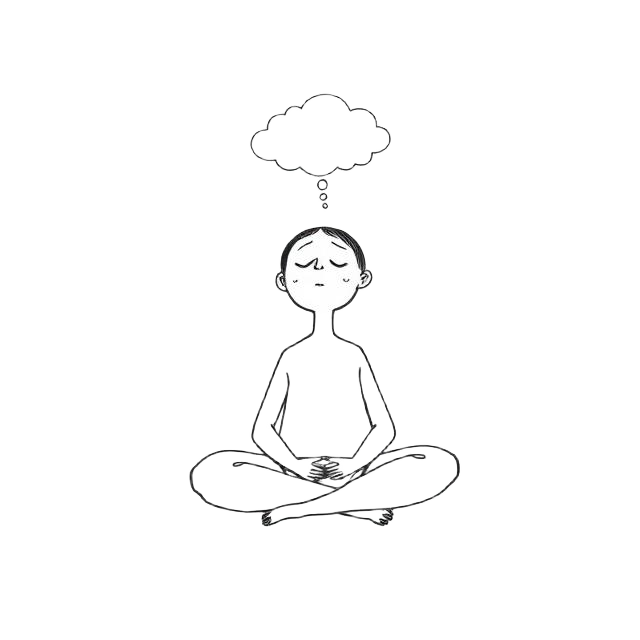
03Pressure, in the right dose.
A little stress sharpens us; too much corrodes mood, weight, sleep, and immunity. Learning to notice your own stress signals—and the small techniques that take the edge off—is a skill, not a personality trait.
Substances
04Less of what costs you.
Tobacco, excess alcohol, opioids, and recreational drugs quietly raise the price of being alive. Cessation takes time, patience, and several attempts—support and the right approach matter more than willpower.
Restorative sleep
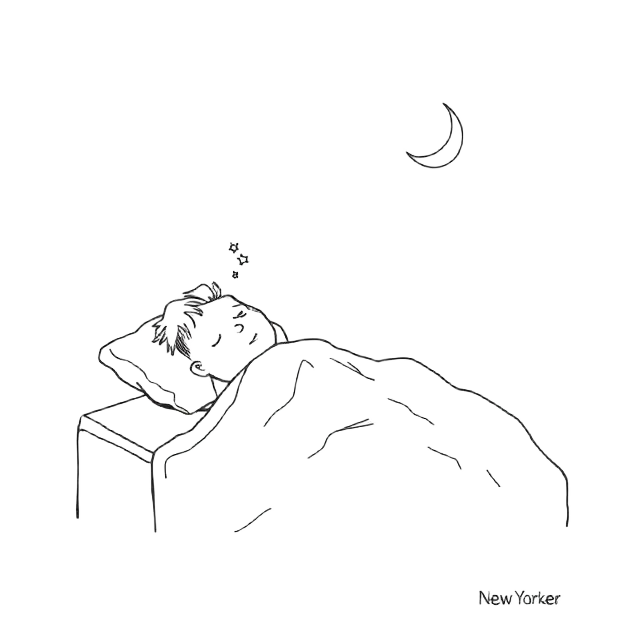
05Seven to nine, most nights.
Short sleep dulls attention, mood, satiety, and insulin sensitivity. Seven to nine hours is associated with optimal health; consistently fewer than six (or more than nine) is associated with greater mortality.
Social connection
06The people around the table.
Positive relationships shape physical, mental, and emotional health. Social networks are not a sentimental footnote—they are one of the strongest reinforcers of every other healthy behaviour on this list.